
Shooting a Wedding Film Solo

Updated: Jan 27, 2025

Shooting a wedding film solo was an exciting moment in my career. It was an exhilarating mix of pressure and creativity. The experience of planning and executing it taught me invaluable lessons about being resourceful, adapting in real-time, and striking the delicate balance between being present and invisible. In this blog, I want to take you through the process, challenges, and takeaways from shooting this unforgettable event.
The Plan: Three-Camera Setup for Seamless Coverage
When I was approached to shoot my first wedding, I knew preparation was everything. Weddings are one-shot events; there are no do-overs. To ensure I captured every critical moment, I opted for a three-camera setup:
Two on Sticks (Tripods): These were positioned for stability and reliability. One was placed on the groom’s side for a wide shot of the ceremony space, while the other was stationed on the bride’s side for a wide angle of her perspective.
One Handheld with Stabilizer: This was my roaming camera, giving me the flexibility to move around and capture important moments on a whim, like close-ups and emotional reactions. It was also my only shot at capturing the bride's entrance.
Audio Setup: I planned to capture the officiant’s microphone audio with a Bluetooth mic placed on the speaker. Additionally, a directional mic mounted on my handheld camera recorded ambient sound. However, the officiant unexpectedly left the microphone off, which required me to rely solely on my handheld mic. This highlighted the importance of having backup plans for audio.


Each camera had a specific purpose. The stationary ones ensured consistent coverage, while the handheld allowed me to react to spontaneous moments. My pre-planning was crucial.
During the processional, I used the handheld up front to capture everyone coming down the aisle. Once the procession ended, I moved to the back of the aisle for medium shots of the couple exchanging vows.

Capturing the Details: The Heart of the Day
A wedding is more than just the ceremony. It’s a collection of moments, big and small, that come together to tell a story. Here’s how I navigated key moments:
Processional: With the handheld, I positioned myself up front to capture intimate shots of the bridal party and the bride’s grand entrance.
The Ceremony: After the processional, I moved to the back of the aisle to capture medium shots of the couple during their vows. This angle complemented the wides from the tripods.
Signing the Marriage License: I adjusted my positioning to capture this quieter, significant moment up close.
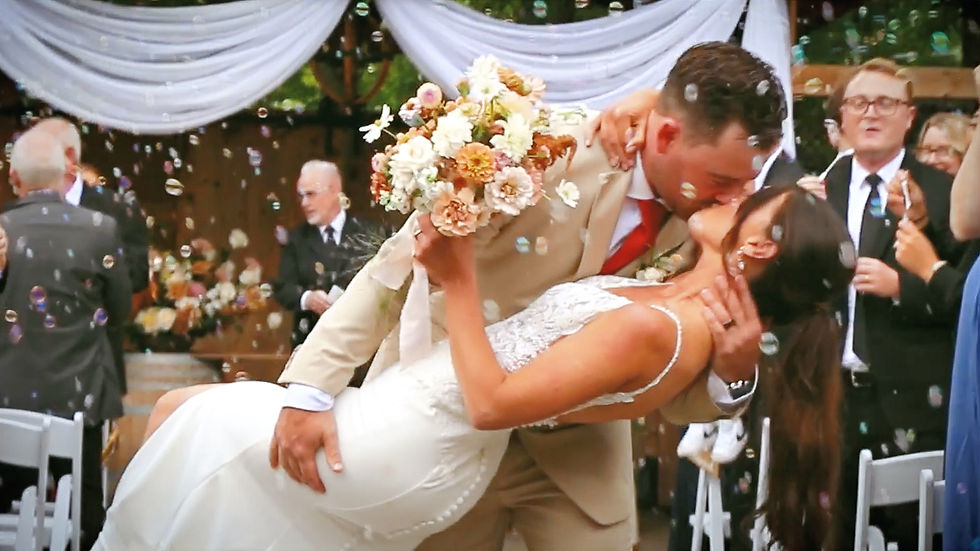
The Recessional: The couple informed me they planned to stop mid-aisle for a dramatic kiss and dip. Walking backward alongside the photographer, I captured the moment while maintaining stability and focus. Timing was everything.
Post-Ceremony Family Moments: After the recessional, we had a private session with the couple and their two children. These candid, heartfelt interactions added a deeply personal touch to the final film.

Staying Invisible but Present
Balancing presence and invisibility is crucial in wedding videography. The focus should be on the couple, not the videographer. Here’s how I managed this:
Strategic Positioning: The tripods were discreetly placed to avoid obstructing views while capturing key angles.
Blending In: I wore a black suit, similar to the attire of other guests, which helped me blend seamlessly into the event.
Awareness: During the processional, I was kneeling near the mother of the bride for an intimate angle. While being cautious not to obstruct her view, I almost tripped on someone filming behind me with their phone. This moment reinforced the importance of being hyper-aware of my surroundings.


What I Learned
Shooting my first wedding taught me valuable lessons:
Arrive Early and Know Your Equipment: Setting up solo takes extra time, and troubleshooting under pressure isn’t ideal. Arriving early allowed me to swap camera bodies when I realized one lacked the proper audio port.
Communicate Thoroughly: Extra communication with the officiant could have prevented the audio issue. Next time, I’ll ensure I know exactly how the sound will be handled. Communication can save you from having to troubleshoot or resort to lesser ideal options.
Be Hyper-Aware: Staying out of the way is as important as capturing the moment. Moving discreetly and being mindful of your surroundings can prevent distractions or accidents.
Adapt on the Fly: Weddings are unpredictable. The ability to stay calm and adjust as needed is crucial.
The Experience: A Milestone in My Career
While the result was a beautiful highlight film, the experience itself was the real takeaway. From the careful planning to the adrenaline of capturing each fleeting moment, every part of the process taught me something new. The pressure of being a one-person crew pushed me to be resourceful and creative, and it reminded me why I love storytelling through video.
If you’re planning your wedding and want a filmmaker who captures the moments that matter without being intrusive, let’s talk. I’d be honoured to help tell your story.

Comments